Comfort & Care
Comfort Is What Lets the Day Keep Going
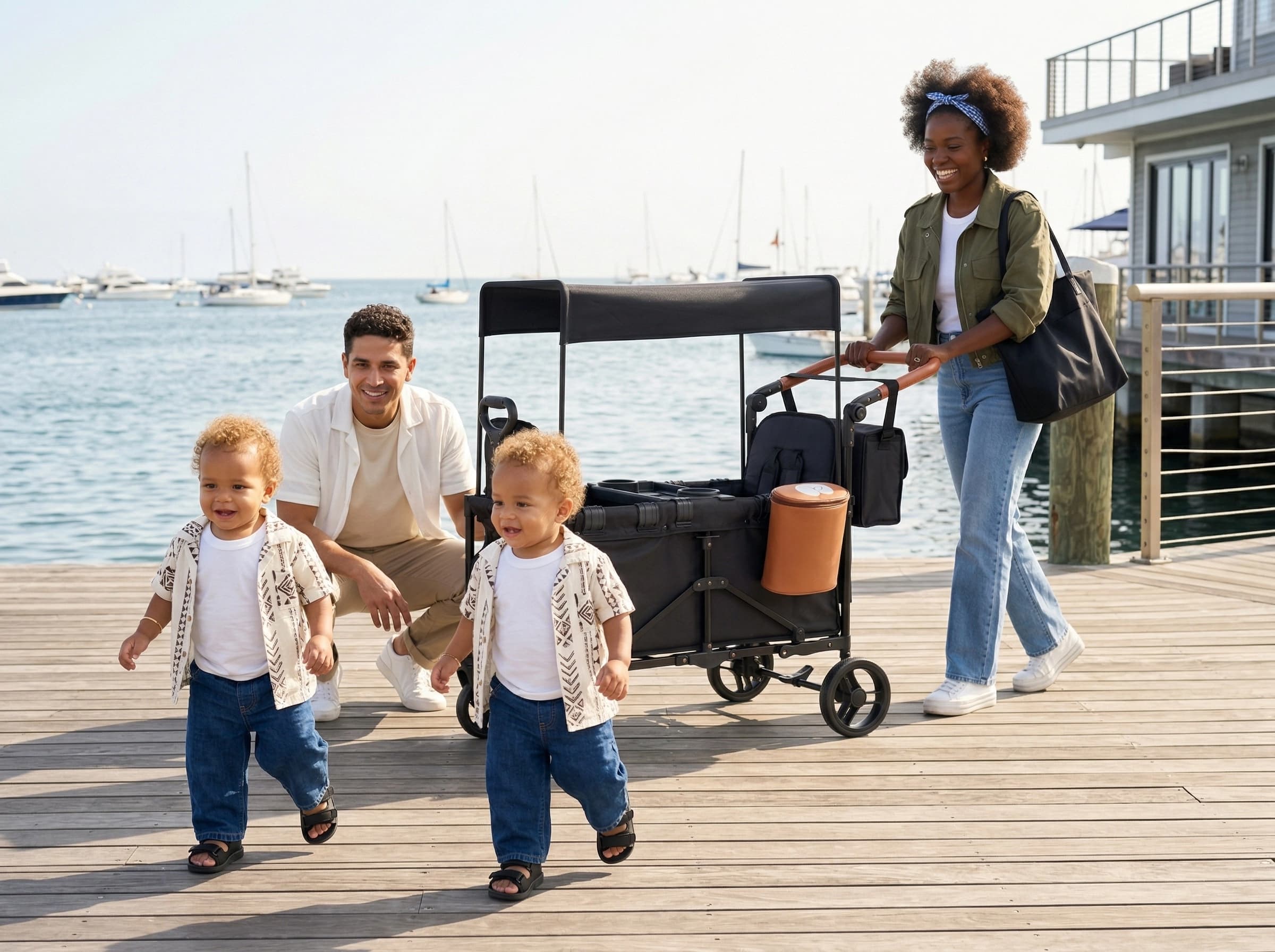
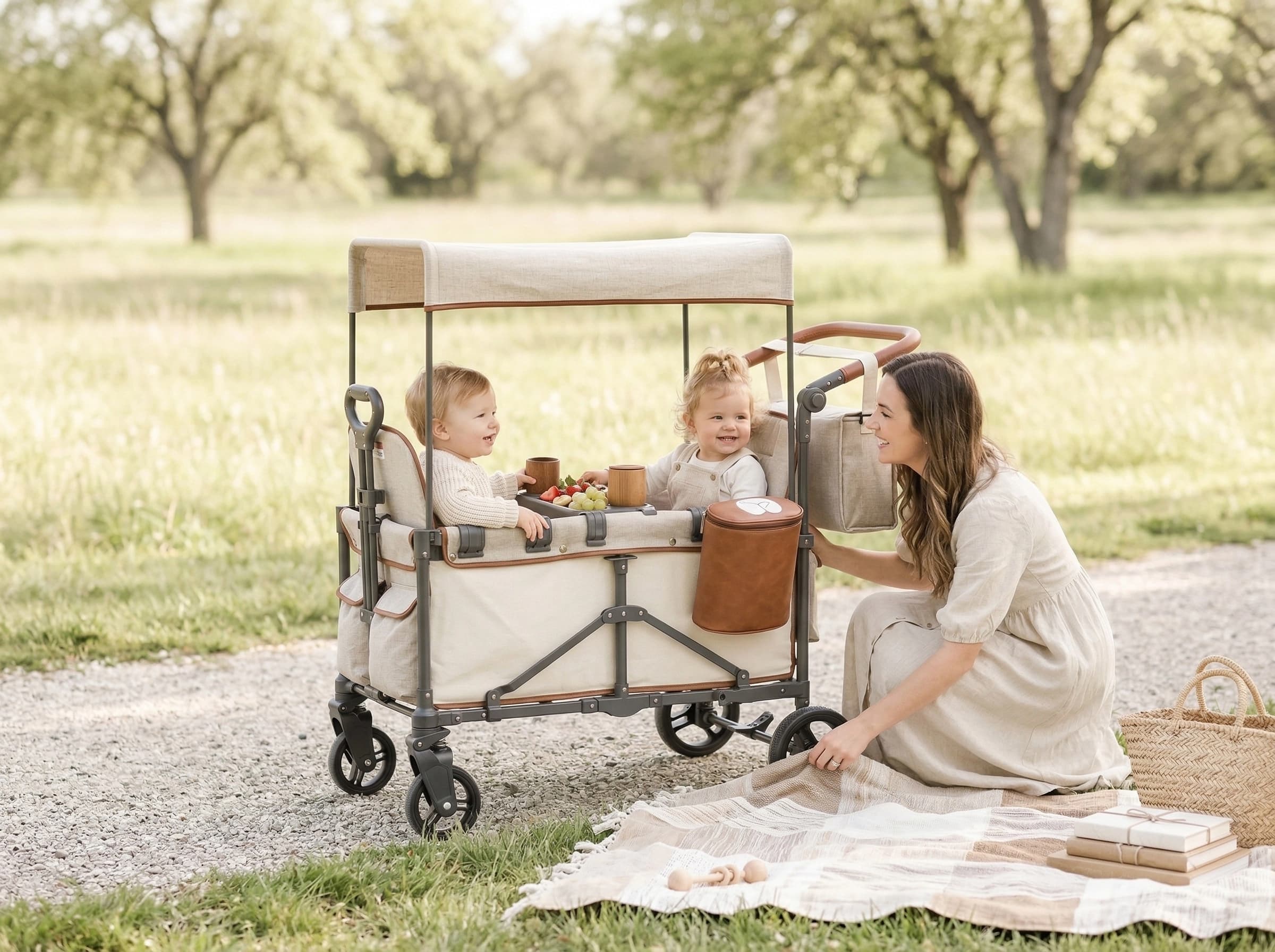
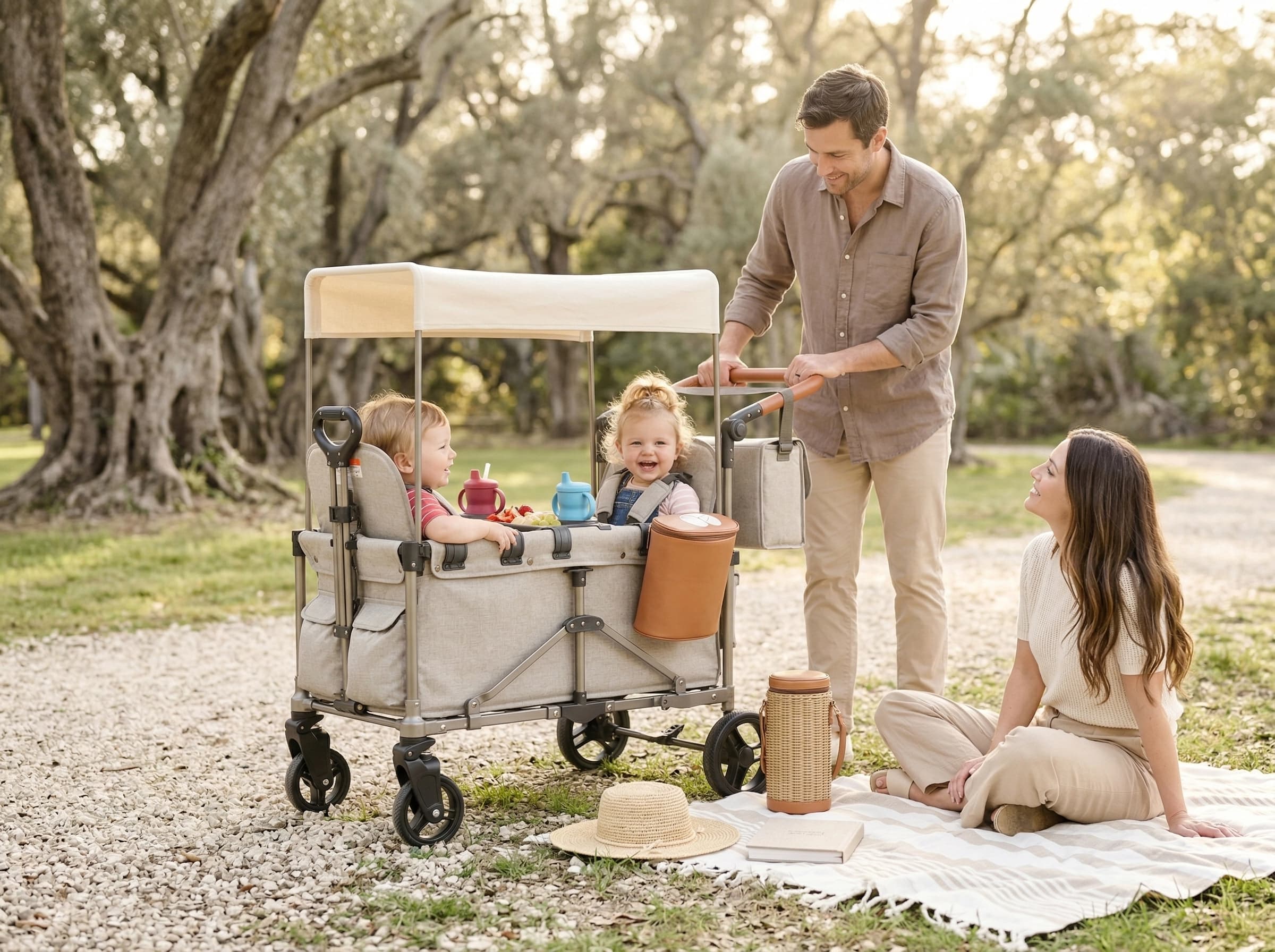
On longer outings, comfort is rarely about indulgence. It is about shade, secure fit, shifting energy, and the small details that help the day stay gentle.
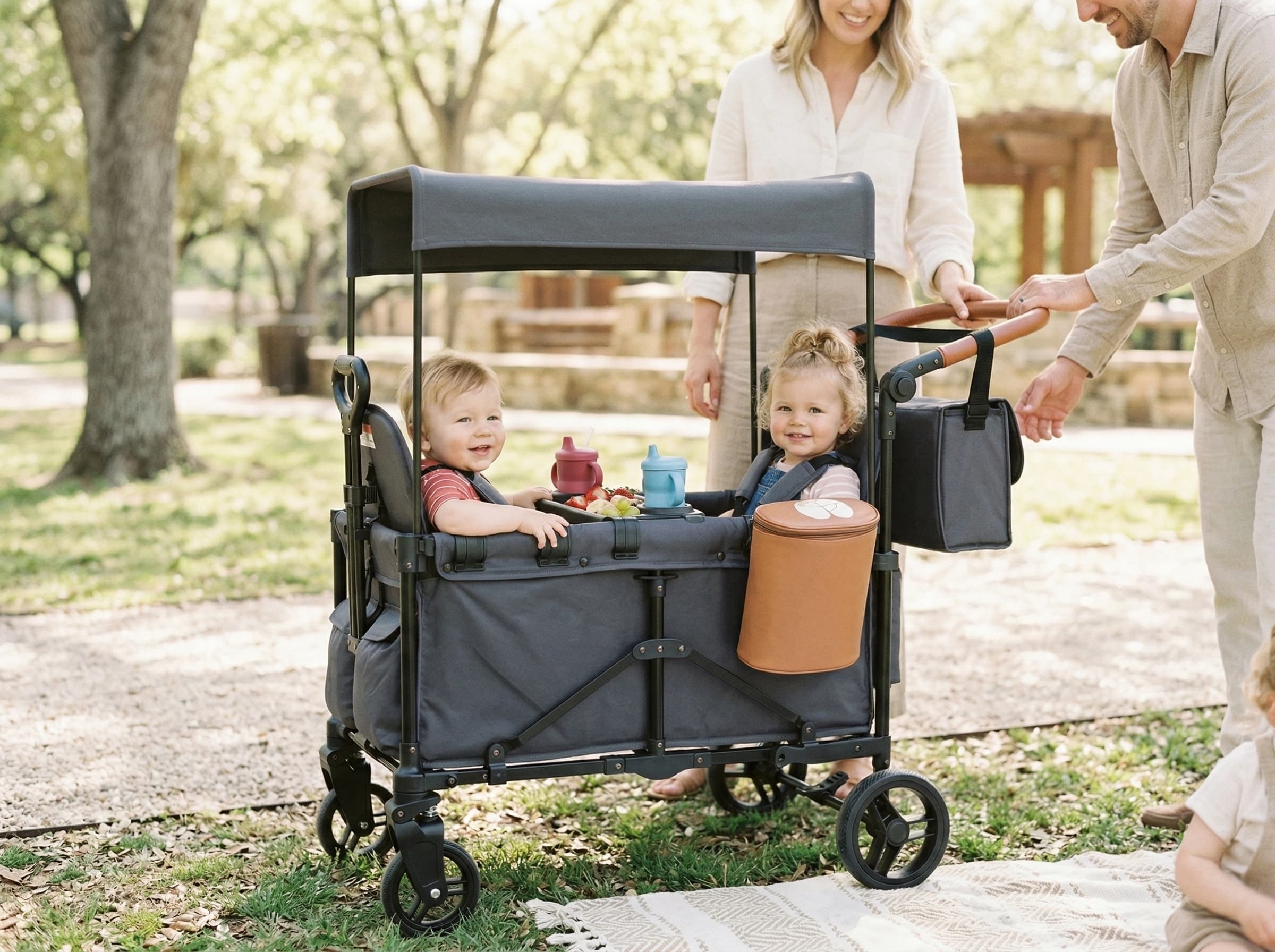
Comfort can sound like a soft extra until you spend enough time outside with small children.
Then it starts to mean something more practical. A park morning lasts longer when no one is uncomfortable too early. A zoo visit stays pleasant when a child has shade, a secure seat, and a chance to rest before the mood turns. What parents often call comfort is really a way of asking whether the day can keep moving without becoming a series of small distress signals.
That is why questions about canopy coverage, harness fit, younger toddlers, and longer rides matter so much. They are not decorative details. They shape the tone of the outing.
Comfort is often made of small absences
A family product does not need to feel luxurious to feel comfortable. More often, comfort is simply the absence of repeated irritations.
For children, that may mean a seat that feels secure, shade that takes the edge off a bright afternoon, and a place to pause when walking loses its appeal. For parents, it may mean fewer moments of readjusting, carrying, negotiating, or trying to fix avoidable discomfort in the middle of a public outing.
On a longer outing, comfort tends to come from a combination of things:
- secure seating
- reasonable shade
- space for breaks and snacks
- a route that matches the child's age and energy
- adults who leave room for flexibility
That is why product features should always be read in context. A wagon stroller can support comfort; it cannot manufacture it on its own. Weather, timing, the route, and the child's temperament all matter just as much.
There is also an emotional side to comfort that often goes unspoken. Children tend to register the atmosphere of a day before they can explain it. Adults do too. When everyone is a little less hot, a little less cramped, a little less rushed, the entire outing changes character. It becomes easier to linger. Easier to notice. Easier to enjoy.
Shade helps, but it is not the whole answer
Families often ask whether a canopy fully protects children from the sun. The most honest answer is that shade helps considerably, but it is not a complete plan by itself.
Sun angle changes. Children move. An outing that begins in shade may open into full exposure half an hour later. BudGlowey describes the two-seater with UPF 30+ canopy coverage and the four-seater with canopy coverage for outdoor use. Those are meaningful features, and worth having. They are simply best understood as part of a broader approach rather than a guarantee of full coverage from every direction.
That realism matters. A brand earns trust by saying enough, not by saying too much. Shade can make a bright day far more manageable, but families still need to think about timing, weather, hats, and when the better choice is a pause in deeper shade.
Secure fit is a quiet part of comfort
Questions about younger toddlers usually carry a second question underneath them: not only "Is this suitable?" but "Will this feel secure enough for my child?"
That is the right instinct. BudGlowey's current wagons use 5-point harnesses, which gives parents an important baseline. But comfort and security still depend on fit, positioning, and attention before each outing.
A younger toddler may need more attention to posture, movement, and how settled they seem once buckled in. An older child may be happier alternating between walking and riding. Even within the same family, comfort rarely looks identical from one child to the next.
It helps to think less in terms of a single age threshold and more in terms of stage, size, and behavior. Does the child sit securely? Do they look settled once the harness is adjusted? Is the fit being checked each time, rather than assumed? These are small questions, but they support a calmer day.
The best outings leave room to change shape
One of the easiest mistakes on a longer outing is expecting the plan to hold its original shape.
Children may want to walk for twenty minutes and ride for fifteen. They may need a snack earlier than expected, or become tired in a stretch the adults thought would be easy. A wagon stroller tends to be most useful when it supports that ebb and flow rather than insisting on one pace.
That is where the quieter details matter. Reachable storage, a place for snacks, simple shade, and seating that gives children a defined spot do not make the outing perfect. They simply reduce the number of tiny interruptions that can wear everyone down.
This is also where BudGlowey's overall approach feels measured. The language around the products stays close to real use: park days, zoo visits, ordinary storage, ordinary shade, ordinary family movement. That restraint suits the category. The point is not to promise perfection. It is to make a longer day feel more manageable.
What children remember is often the feeling of the day
Comfort is easy to overlook because it is made of modest things: a child who stays settled a little longer, a break that happens before frustration peaks, a bit of shade in the middle of the day, a secure fit that lets the adult relax once the outing begins.
None of that sounds dramatic. It is not meant to. But those are often the details that determine whether a family remembers the day as easy enough to repeat.
That may be the most useful way to think about comfort in a stroller wagon. Not as luxury, and not as a selling phrase, but as part of what lets a day remain gentle instead of rushed or frayed. The best family products support the feeling of the outing without trying to dominate it.
When that happens, the day often feels simpler than expected. And simple is, very often, what families need most.
Stay Updated
Weekly newsletter
Real parenting stories, outdoor adventure ideas, and family tips delivered every Friday.
No spam, unsubscribe anytime. Privacy policy.
Takeaway
Try one little outing this week
You do not need a perfect plan. Pick one simple family outing and make it easier with small preparation.